Introduction
The international market for Palo Santo is growing rapidly, but it has also become a complex environment. More and more companies are looking for reliable suppliers who can offer consistent quality, complete documentation, and smooth deliveries.
At Gate Export, with more than ten years of experience exporting Palo Santo worldwide, we have seen it all. We have identified the most common mistakes when importing Palo Santo mistakes that experienced companies repeat, causing delays, financial losses, and operational problems.
Here is how to avoid them, and how our process protects your investment.
1. Inconsistency Between Sample and Final Shipment
This is undoubtedly the most common problem in the Palo Santo wholesale market. Many importers receive a premium-looking sample, but when the final shipment arrives, the reality is different. This inconsistency affects customer relationships, leads to returns, and generates significant losses.
The Gate Export Standard: We don't believe in golden samples. What you see is what you get. We offer video inspections of your specific lot before it ships, ensuring the consistent quality matches the sample exactly.
2. Customs Delays Due to Incomplete Documentation
In international Palo Santo trade, documentation is not a detail—it is a fundamental requirement. Without a valid phytosanitary certificate, current SERFOR permits, and full traceability, a shipment can be held at customs for days or even weeks. This results in high storage costs, customs delays, and the risk of cargo immobilization or destruction.
A common mistake in exporting Palo Santo from Peru is assuming that documentation requirements are the same for all destination markets. In reality, each country has its own regulatory framework, and missing country-specific documents often results from lack of technical knowledge rather than intentional non-compliance.
How we manage it: Our in-house legal and logistics team handles the entire documentation process, taking into account the specific regulatory requirements of each destination country. We ensure full compliance with both Peruvian export regulations and import-country rules, allowing for smooth customs clearance.
3. Inconsistency in Shipment Quality
It is common to receive containers where only a portion of the Palo Santo meets the expected standard, while the rest includes irregular sizes, mixed grades, or inconsistent visual quality. In the Palo Santo wholesale trade, lot consistency is directly linked to profitability. An uneven shipment can disrupt the entire operation.
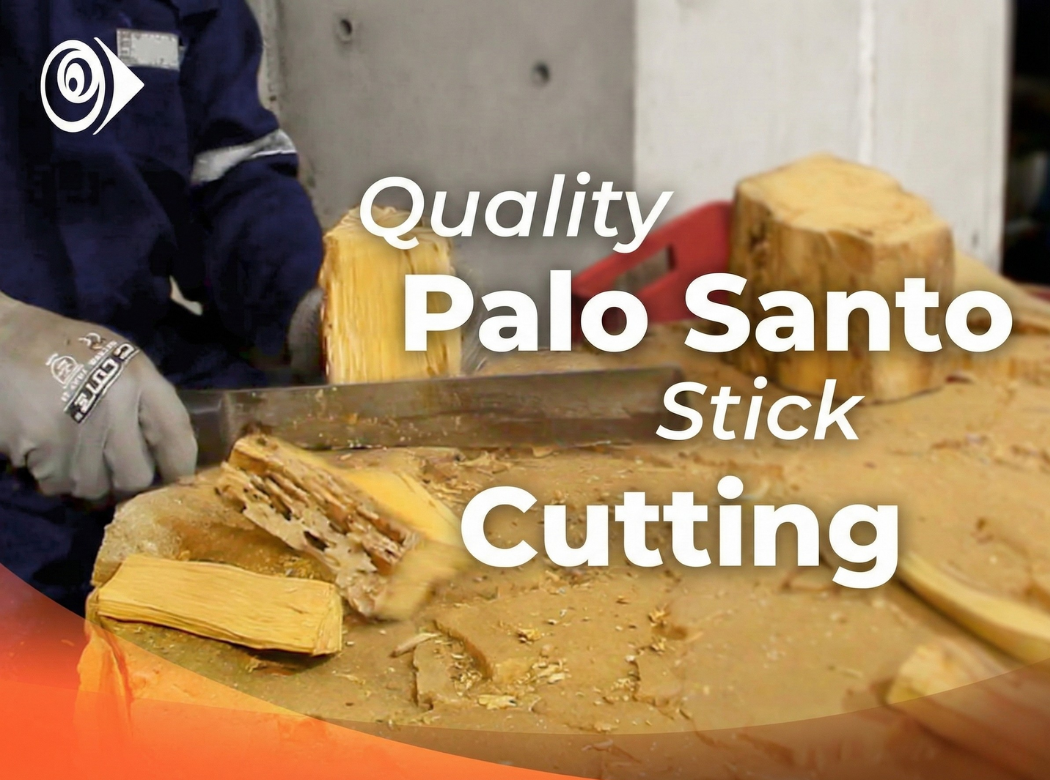
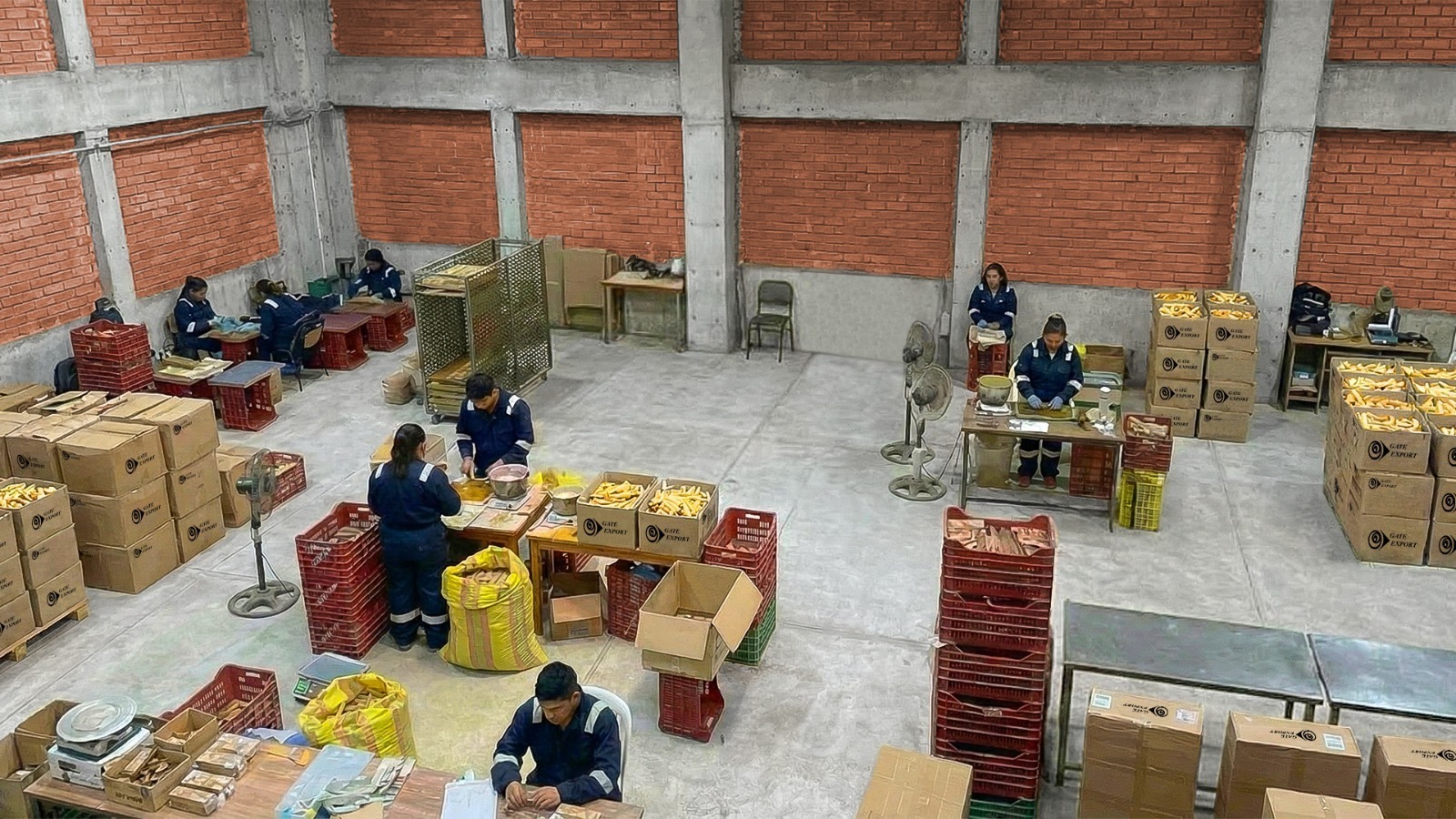
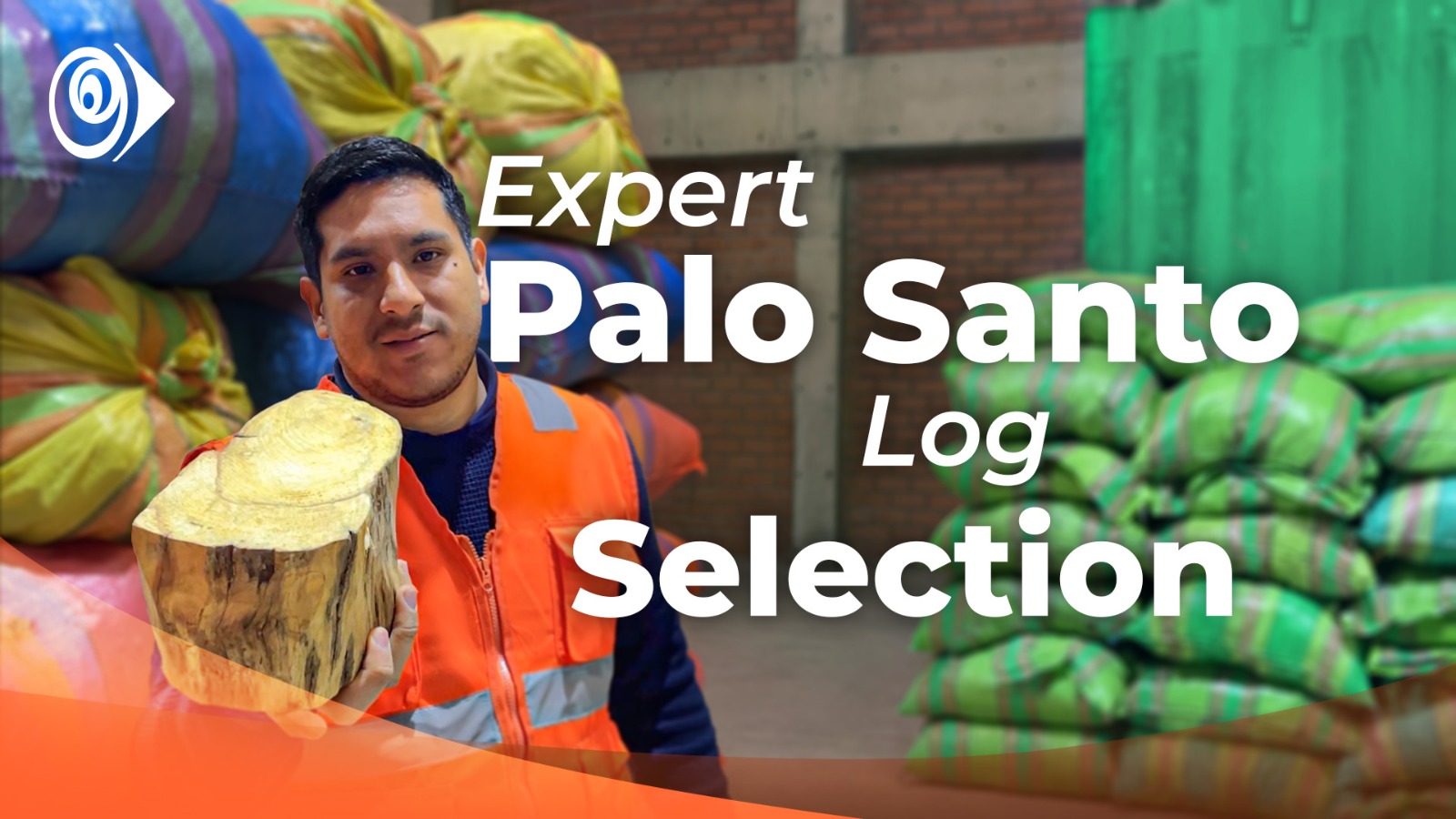
Our quality control process: At Gate Export, we implement a multi-stage manual selection process. The material is classified at origin, then at the log level, and finally at the finished stick stage. This approach allows us to deliver uniform and standardized wholesale lots, designed to meet the operational needs of professional importers.
4. Risks of Ocean Freight Transportation
Improper storage subjects Palo Santo wood to high levels of humidity and environmental variations. Without proper preparation, the product is vulnerable to biological deterioration and the appearance of fungi, which can compromise the entire shipment.
In addition to natural drying, we apply controlled heat treatments as part of the pre-shipment preparation. This process reduces the risk of deterioration during long sea voyages and allows Palo Santo to arrive in optimal condition at its destination country.
5. Legal and Reputational Risks Due to Lack of Traceability
Importing Palo Santo without a verifiable origin exposes the company to legal problems. When wood comes from illegal logging rather than naturally fallen wood (as required by Peruvian regulations), the importer is compromised. Today, in markets like Europe and North America, traceability is non-negotiable and sustainability is a mandatory criterion.
Our Commitment: We operate with 100% transparency. Every log we process is fully traceable to authorized forests. We provide the peace of mind that comes with a truly ethical and sustainable operation, protecting you from reputational risks.
Conclusion
Importing Palo Santo from Peru can be a profitable and sustainable operation when quality consistency, legal documentation, international logistics, and full traceability are properly managed. Avoiding these common mistakes is what separates a problematic shipment from a scalable, long-term wholesale business.
Working with a reliable Palo Santo supplier in Peru that controls the entire process, from origin to export, is not an extra, but a necessity for wholesale importers seeking stability, compliance, and long-term supply security.
At Gate Export, as direct producers and exporters of Palo Santo wholesale from Peru, we operate under these standards in every shipment. We support wholesale importers worldwide by ensuring consistent quality, complete documentation, and verifiable legal sourcing, allowing our partners to import Palo Santo with confidence and focus on growing their brands.
If you would like to evaluate your supply chain or discuss your next shipment, feel free to contact us at sales@gatexport.com
or send us a direct message to speak with a specialist.
We look forward to building a long-term commercial relationship.